Keloid · Guide · SkinRev Lab
Keloid treatment cost in Singapore
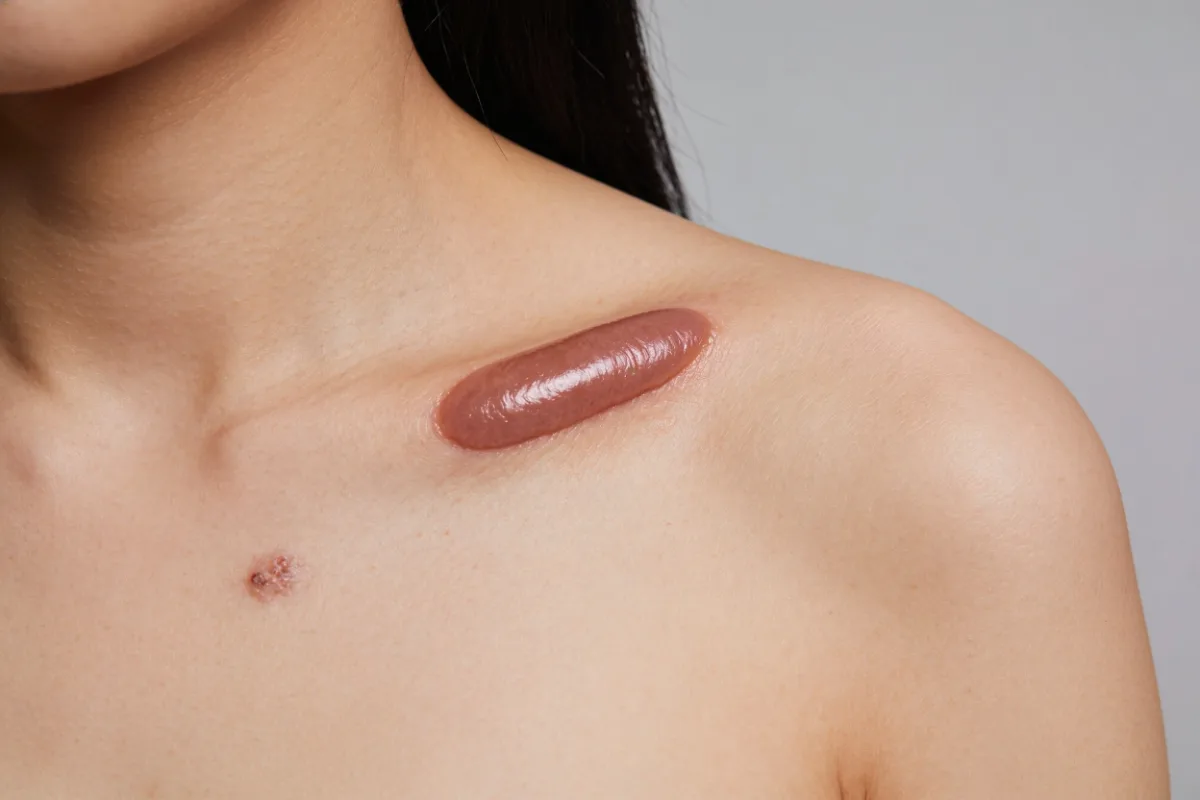
A keloid is treated over a course, often with more than one method and a follow-up plan. The cost follows the plan, so it is set after the keloid is examined.
By SkinRev Lab Editorial · Updated 28 November 2026
Keloid treatment cost in Singapore depends on the size, number and site of the keloids, the methods combined and how many sessions are needed, because keloids are treated over a course and can return. At SkinRev Lab, CityLink Mall (City Hall MRT), Dr Sin Yong, medical adviser, examines the keloid and gives the plan and price at consultation. Aesthetic Therapists do not treat keloids, and keloid surgery is referred.
In short
Expect a course, not a single fee. Most keloid plans combine an injection into the keloid every few weeks with silicone, pressure or laser, then a period of follow-up to catch regrowth early. Cutting a keloid out on its own is avoided because it often returns. Ask for the cost of the whole course, including reviews.
Key facts
- Price: at consultation, after size, number, site and plan are assessed
- Who: Dr Sin Yong; Aesthetic Therapists do not treat keloids
- Usual plan: injections into the keloid, silicone, pressure and the Luminescence Laser, combined
- Surgery: not performed at SkinRev Lab; referred, and never used alone
- Where: SkinRev Lab, CityLink Mall (City Hall)
Updated
Your doctor
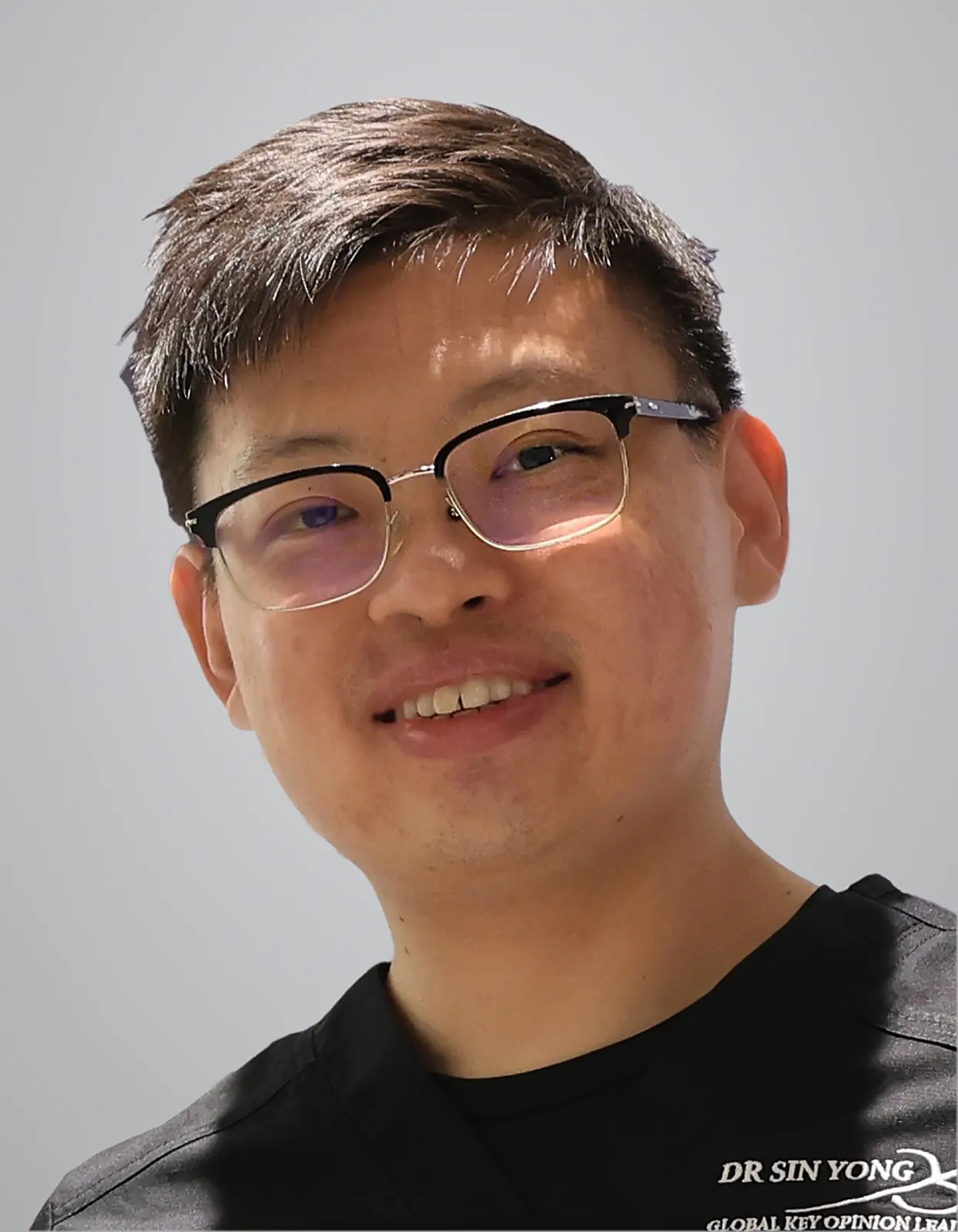
Dr Sin Yong
This treatment is performed by Dr Sin Yong, after a consultation. Dr Sin Yong is a Global Key Opinion Leader for seven device makers and has been invited to teach doctors in São Paulo, Bangkok, Seoul, Taipei, Dubai and Singapore.
Invited to present or train: DEKA Academy 2026, Florence 2026 · CLASSYS Academy, São Paulo 2026 · 7th CLASSYS APAC Symposium, Bangkok 2026
MBBS (NUS) · MRCS (Edinburgh) · MSc Aesthetic Medicine, Distinction (London) · MSc Practical Dermatology (Cardiff) · Professional Diploma in Obstetrics and Gynaecology (RCPI) · Profile · KOL brands & devices
What drives the cost
Five things
that set the price
| Factor | Why it matters | What to ask |
|---|---|---|
| Size | Larger keloids need more product per session and more sessions. | How many sessions do you expect for this size? |
| Number and site | Several keloids, or keloids on the chest and shoulders, take longer to treat than one small earlobe keloid. | Will all of them be treated at each visit? |
| Methods combined | Combining treatments works better than any one alone [2][3], and each adds to the cost. | Which methods, and in what order? |
| Course length | Injections are usually repeated every few weeks until the keloid flattens. | What is the total for the first course? |
| Follow-up | Keloids can return, especially after surgery alone [1]. | Are review visits included? |
The options
How the main options
compare
| Option | Role | At SkinRev Lab |
|---|---|---|
| Injection into the keloid | Usually the first treatment; flattens and softens the keloid and eases itch. | Dr Sin Yong, priced at consultation |
| Silicone gel or sheeting | Daily use at home; supports the other treatments and helps prevent regrowth [3]. | Advised at consultation |
| Pressure | Especially useful for earlobes, with pressure earrings. | Advised at consultation |
| Luminescence Laser | A non-ablative laser used as one part of a combined plan. | Dr Sin Yong, priced at consultation |
| Surgery with follow-up treatment | For large keloids; always followed by treatment to reduce return. | Referred; not performed at SkinRev Lab |
| Cryotherapy or radiotherapy | Used in specialist settings for selected keloids [4]. | Referred where suitable |
Budget sensibly
Value is not
the lowest quote
A low price for a single removal can cost more in the end if the keloid returns larger. Keloids grow from ongoing inflammation deep in the skin [1], which is why a plan that treats and then watches the area tends to give a steadier result than one procedure.
- Ask for the total for the first course and the expected number of visits.
- Ask what happens if the keloid starts to return.
- Ask whether GST is included.
Ear keloid after piercing covers the most common keloid we see, and keloid scars explains the condition in full.
Common questions
Your questions,
answered
How much does keloid treatment cost in Singapore?
It depends on the size, number and site of the keloids and the plan. At SkinRev Lab, Dr Sin Yong examines the keloid and gives the plan and price at consultation.
Why can a clinic not give a fixed keloid price online?
Because a small earlobe keloid and several chest keloids need very different plans. The number of sessions, methods combined and follow-up are only known after an examination.
Is a keloid treated in one session?
Rarely. Injections into the keloid are usually repeated every few weeks, often with silicone, pressure or laser, followed by reviews to catch any regrowth.
Is it cheaper to cut the keloid out?
Cutting a keloid out on its own often leads to it returning, sometimes larger, so surgery is always followed by further treatment. SkinRev Lab does not perform keloid surgery and refers where it is needed.
Do keloids come back after treatment?
They can. Combining treatments and reviewing the area regularly lowers the chance and lets regrowth be treated early.
Where can I get keloid treatment in Singapore?
At SkinRev Lab, #B1-28 CityLink Mall, 1 Raffles Link, Singapore 039393, a covered walk from City Hall MRT (Exit C) and Esplanade MRT (Exit D). Dr Sin Yong assesses the keloid and plans treatment at a consultation. Aesthetic Therapists do not treat keloids, and keloid surgery is referred. SkinRev Lab is open daily, 11am to 8pm, and visits are booked on WhatsApp at +65 8266 9585.
References
- Ogawa R (2017). Keloid and hypertrophic scars are the result of chronic inflammation in the reticular dermis. International Journal of Molecular Sciences 18(3):606. Source
- Ogawa R (2022). The most current algorithms for the treatment and prevention of hypertrophic scars and keloids: a 2020 update of the algorithms published 10 years ago. Plastic and Reconstructive Surgery 149(1):79e-94e. Source
- Gold MH, McGuire M, Mustoe TA, et al. (2014). Updated international clinical recommendations on scar management: part 2. Dermatologic Surgery 40(8):825-831. Source
- Ogawa R, Akita S, Akaishi S, et al. (2019). Diagnosis and treatment of keloids and hypertrophic scars: Japan Scar Workshop Consensus Document 2018. Burns and Trauma 7:39. Source