Concerns · Hair · CityLink Mall
Male Hair Loss Treatment in Singapore
Most male hair loss is pattern hair loss, and it is progressive. Acting early protects the follicles you still have, and a proper diagnosis comes first.
Written & medically reviewed by Dr Sin Yong · 8 October 2026
Quick answer
- Most male hair loss is pattern hair loss, and it is progressive. Acting early protects the follicles you still have, and a proper diagnosis comes first.
- Non-invasive at SkinRev Lab (CityLink Mall): Rejuran® Scalp Care, Hairline & Scalp Micropigmentation.
- Medical, performed by Dr Sin Yong at IN Eternity Clinic (Pacific Plaza, Orchard): Medical Hair Loss Treatment, H2LT Laser, Regenera Activa.
- Assessment first; individual results vary. Medical pricing is given at consultation.
Male hair loss usually starts quietly: a hairline that edges back at the temples, a crown that looks thinner under bright lights or in photos, more scalp showing when your hair is wet, or a parting that seems wider. Men looking into male hair loss treatment in Singapore are often in their twenties or thirties, and many have a father, uncle or brother with a similar pattern.
The most common cause is androgenetic alopecia, or male pattern hair loss. In genetically sensitive follicles, the hormone dihydrotestosterone gradually shortens the growth phase and shrinks the follicle, a process called miniaturisation. Each new hair grows back finer, shorter and lighter until the follicle stops producing visible hair. Follicles at the back and sides of the head are much less sensitive, which is why that band of hair usually stays.
Not all hair loss is pattern loss. Sudden, diffuse shedding can follow illness, a high fever, crash dieting or major stress, while round bald patches suggest alopecia areata, and redness, scaling or scarring point to inflammatory scalp conditions. Thyroid problems, iron deficiency and some medicines can also play a part. Because the right treatment depends on the cause, hair loss should be diagnosed by a doctor before a plan is set.
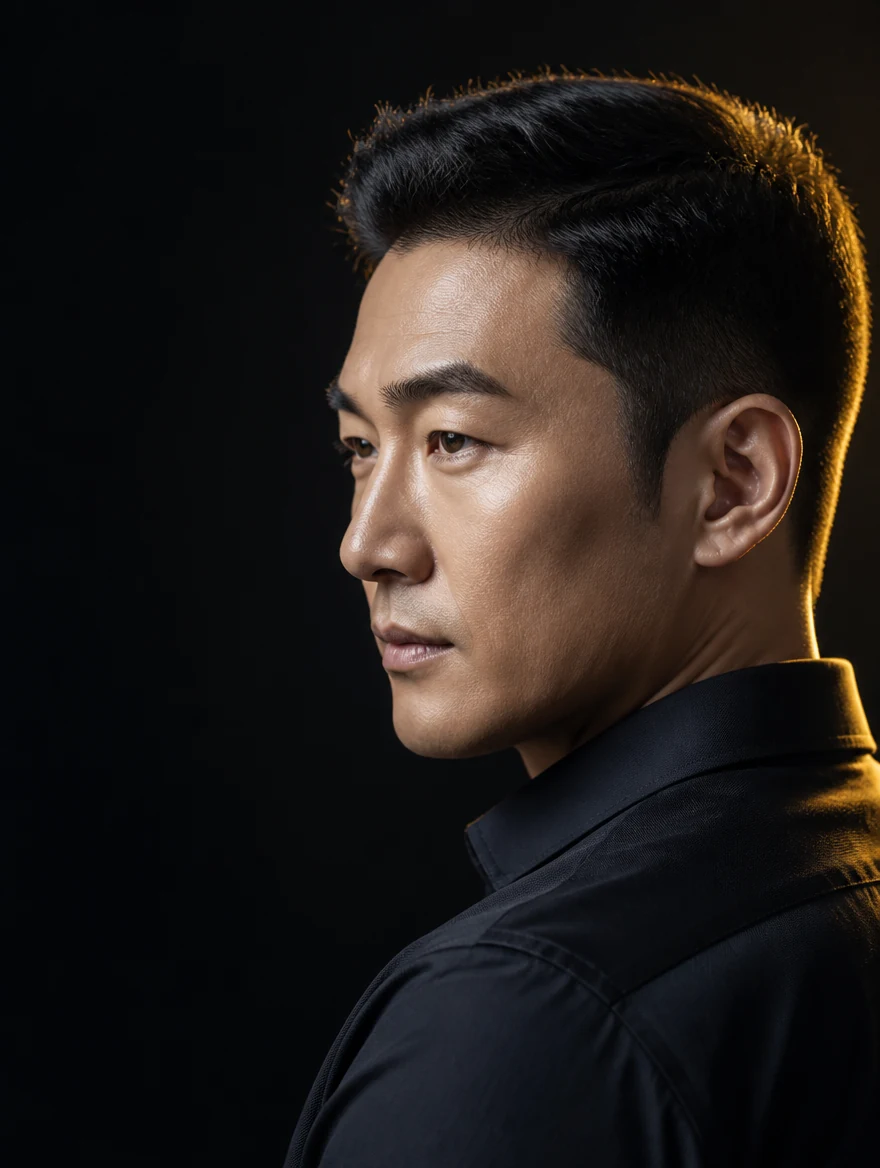
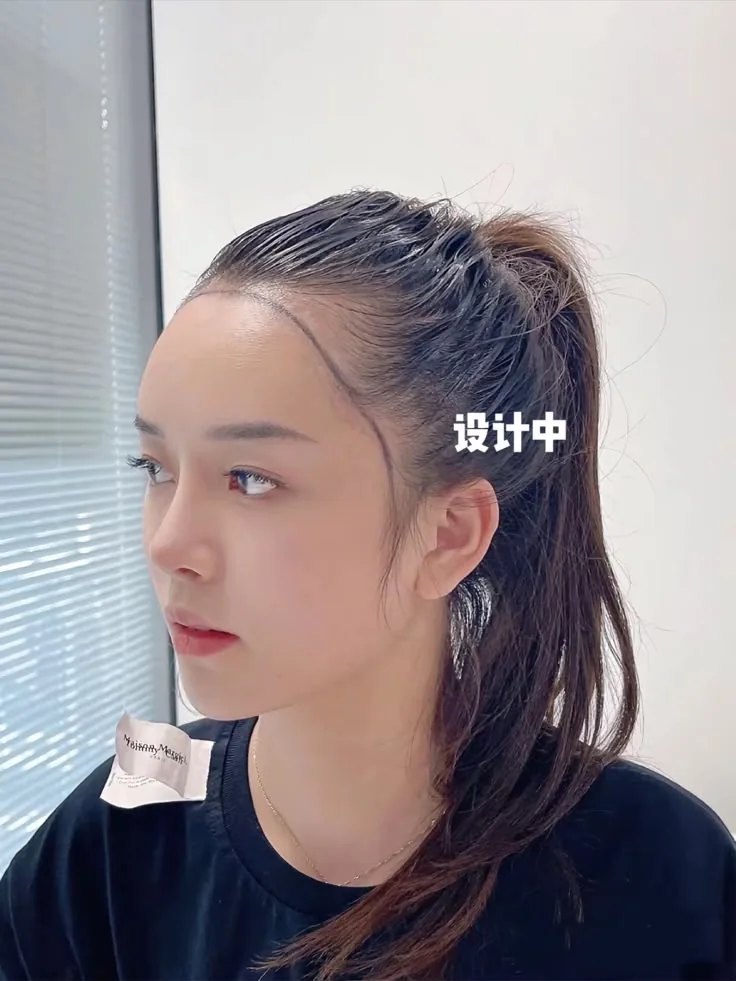
“No treatment can bring back follicles that have already been lost, so the realistic aim is to protect and strengthen the ones that are still there.”
— Dr Sin Yong, IN Eternity Clinic
- Most common type
- Androgenetic alopecia (male pattern hair loss), graded on the Norwood scale
- Mechanism
- Dihydrotestosterone-driven miniaturisation of genetically sensitive follicles, with a shortened growth phase
- Typical pattern
- Receding temples and thinning crown, with the back and sides largely spared
- Other causes to exclude
- Telogen effluvium, alopecia areata, scarring alopecias, thyroid disease, iron deficiency
- Diagnosis
- History, scalp examination and trichoscopy, with blood tests where shedding or deficiency is suspected
- What cannot be reversed
- Follicles that have fully disappeared or been replaced by scar tissue
What goes where
The honest ladder:
non-invasive first, medical when it is needed
At SkinRev Lab · non-invasive
Rejuran® Scalp Care — Rejuran® Scalp Care applies PDRN to the scalp without injections to support the condition of the scalp skin. It is a scalp-care treatment rather than a medical regrowth therapy, so it is better used alongside a doctor-led plan for pattern hair loss. Read more
Hairline & Scalp Micropigmentation — Hairline and scalp micropigmentation places fine pigment impressions in the scalp to mimic the look of short hair or add visual density behind thinning areas. It does not grow hair or stop hair loss, but it can change how thinning looks from day one. Read more
At IN Eternity Clinic · Dr Sin Yong
Medical Hair Loss Treatment — Starts with diagnosis, including trichoscopy and blood tests where needed, followed by evidence-based prescription medication chosen for your situation, plus scalp support where helpful. Progress is tracked with standardised photos over months. Performed by Dr Sin Yong at IN Eternity Clinic. How it works
H2LT Laser — H2LT is a low-level laser protocol that delivers light energy to the follicles to support the growth phase in hair that is thinning but still present. It is given as a course of short, in-clinic sessions by Dr Sin Yong at IN Eternity Clinic. How it works
Regenera Activa — Regenera Activa takes three small 2.5 mm samples from the back of the scalp, processes them into micrografts of about 80 microns and injects the suspension into thinning areas. It acts on existing follicles rather than moving them, and is performed by Dr Sin Yong at IN Eternity Clinic. How it works
Enquiries to SkinRev Lab about medical treatments are passed to IN Eternity Clinic, where Dr Sin Yong performs them.
SkinRev suits men who want to improve scalp condition or the look of density, for example with micropigmentation along a hairline that has already settled, or scalp care while they consider medical treatment. Anyone with active hair loss should see the doctor at IN Eternity Clinic first, especially if shedding is sudden, patchy, itchy, painful or scaly, if it started after a new medicine or illness, or if you are under 25 and losing hair quickly. Men planning a family should mention this at consultation, since it can influence which prescription options are suitable. If most of the hair on the crown or front has already gone, a hair transplant opinion may be more useful than non-surgical treatment.
Where this happens
Assessment and non-invasive care — SkinRev Lab, CityLink Mall #B1-28, 1 Raffles Link, Singapore 039393. Underground from City Hall MRT and Esplanade MRT; a short walk from Raffles Place, Marina Bay, Suntec and Bugis. Open daily 11am–8pm.
Medical treatment — IN Eternity Clinic, 9 Scotts Road, #12-01 Pacific Plaza, Singapore 228210, beside Orchard MRT (three stops from City Hall on the North-South line). Mon–Sat 11am–8pm, closed Sunday. Treatments are performed by Dr Sin Yong. WhatsApp +65 8815 3008.
What the research says
The evidence,
with sources
Androgenetic alopecia is the most common hair loss disorder and becomes more frequent with age, affecting up to 80% of Caucasian men according to a European evidence-based guideline. That guideline, built on a systematic literature review and expert consensus, recommends doctor-prescribed medication as the main treatment for men, with response judged after about six months, and suggests low-level laser as an add-on rather than a stand-alone answer. A systematic review of low-level laser therapy found that most included studies reported higher hair counts or density in men and women, while the authors advised caution because of study variability.
For autologous micrografting, a randomised, evaluator-blinded half-head study in men and women with pattern hair loss found higher hair counts and density in the treated half than in the placebo half over about a year, though some people needed retreatment later and the authors called for larger controlled studies. Scalp micropigmentation is described in the literature as a medical tattoo technique that adds the appearance of density, customised to each person's scalp, sometimes over several sessions. Individual results vary.
References
- Kanti V, Messenger A, Dobos G, et al. Evidence-based (S3) guideline for the treatment of androgenetic alopecia in women and in men - short version. J Eur Acad Dermatol Venereol. 2018;32(1):11-22.
- Afifi L, Maranda EL, Zarei M, et al. Low-level laser therapy as a treatment for androgenetic alopecia. Lasers Surg Med. 2017;49(1):27-39.
- Gentile P, Scioli MG, Cervelli V, Orlandi A, Garcovich S. Autologous micrografts from scalp tissue: trichoscopic and long-term clinical evaluation in male and female androgenetic alopecia. Biomed Res Int. 2020;2020:7397162.
- Rassman WR, Pak JP, Kim J. Scalp micropigmentation: a useful treatment for hair loss. Facial Plast Surg Clin North Am. 2013;21(3):497-503.
Common questions
Your questions,
answered
Which male hair loss treatment in Singapore has the most evidence?
For pattern hair loss, doctor-prescribed medication has the largest body of evidence, ideally started early and taken consistently. Laser and micrografting can be added for people who want more support or prefer to combine approaches. Which mix suits you depends on your diagnosis, the stage of loss and your health, which is why treatment at IN Eternity Clinic starts with an assessment by Dr Sin Yong.
Can male hair loss treatment in Singapore regrow a bald area?
Treatment can thicken hair that is thinning and slow further loss, but it cannot revive follicles that have completely disappeared. Areas that have been shiny and bald for years usually do not respond, and a hair transplant or micropigmentation may be more practical there. That is why we encourage men to seek help when they first notice thinning, rather than waiting.
How long before I see results?
Hair grows slowly, so changes are judged over months. Many men first notice less shedding, then gradual thickening, with a fair assessment usually at around six months and further change up to a year. Standardised photos at set intervals make it easier to see progress than looking in the mirror each day.
Does scalp micropigmentation look natural?
When the pigment, dot size and density are matched to your skin tone, hair colour and hairline, it can closely resemble closely shaved hair or add the look of density behind thinning areas. It suits men comfortable with a short hairstyle or those wanting to soften the contrast between hair and scalp. It does not grow hair, and touch-ups are needed over time.
How much does it cost?
At SkinRev, hairline and scalp micropigmentation starts from S$688. Rejuran® Scalp Care pricing is available from SkinRev on enquiry. Medical treatments at IN Eternity Clinic, including prescription treatment, H2LT laser and Regenera Activa, are priced at consultation, because the plan depends on your diagnosis and the stage of your hair loss.
Will I need to continue treatment forever?
Pattern hair loss is long-term and progressive, so most effective treatments need to be continued to keep their benefit, and stopping often lets the original process resume over months. Some procedures, such as micrografting, are done less often and may be repeated if thinning returns. Dr Sin Yong reviews progress and adjusts the plan over time rather than locking you into one approach.