Guide · Hair after pregnancy
Postpartum hair loss treatment in Singapore: why shedding peaks after birth, when it settles, and when to see a doctor
Handfuls of hair in the shower a few months after giving birth are common and usually temporary. Here is what is happening, what helps, and the signs that something else is going on.
In short
- Postpartum hair loss is usually telogen effluvium: hairs held in the growing phase during pregnancy enter the resting phase together and shed about two to four months after birth.
- It usually settles by six to twelve months after delivery without treatment; regrowth shows first as short hairs along the hairline.
- Postpartum hair loss treatment in Singapore starts with checks: iron stores, thyroid function and vitamin D are common, correctable contributors after birth.
- If shedding lasts beyond a year, or the parting keeps widening, pattern hair loss may have been unmasked; Dr Sin Yong assesses this and discusses options that fit with breastfeeding.

By Dr Sin Yong · Updated 9 November 2026
Dr Sin Yong, Global Key Opinion Leader
MBBS (Singapore) · MRCS (Edinburgh) · MSc Practical Dermatology (Cardiff) · MSc Aesthetic Medicine (University of London) · 15+ years in clinical practice
This guide is prepared for SkinRev Lab. Dr Sin Yong sees patients at SkinRev Lab, CityLink Mall, and IN Eternity Clinic, and has been appointed a Global Key Opinion Leader by device makers including CLASSYS, DEKA and HIRONIC; he trains doctors at their academies in Europe, Asia and South America. General information only, not medical advice. Your own suitability is assessed at consultation.
Global Key Opinion Leader for
- CLASSYS
- DEKA
- HIRONIC
- FOTONA
- ALMA
- LUTRONIC
- ILOODA
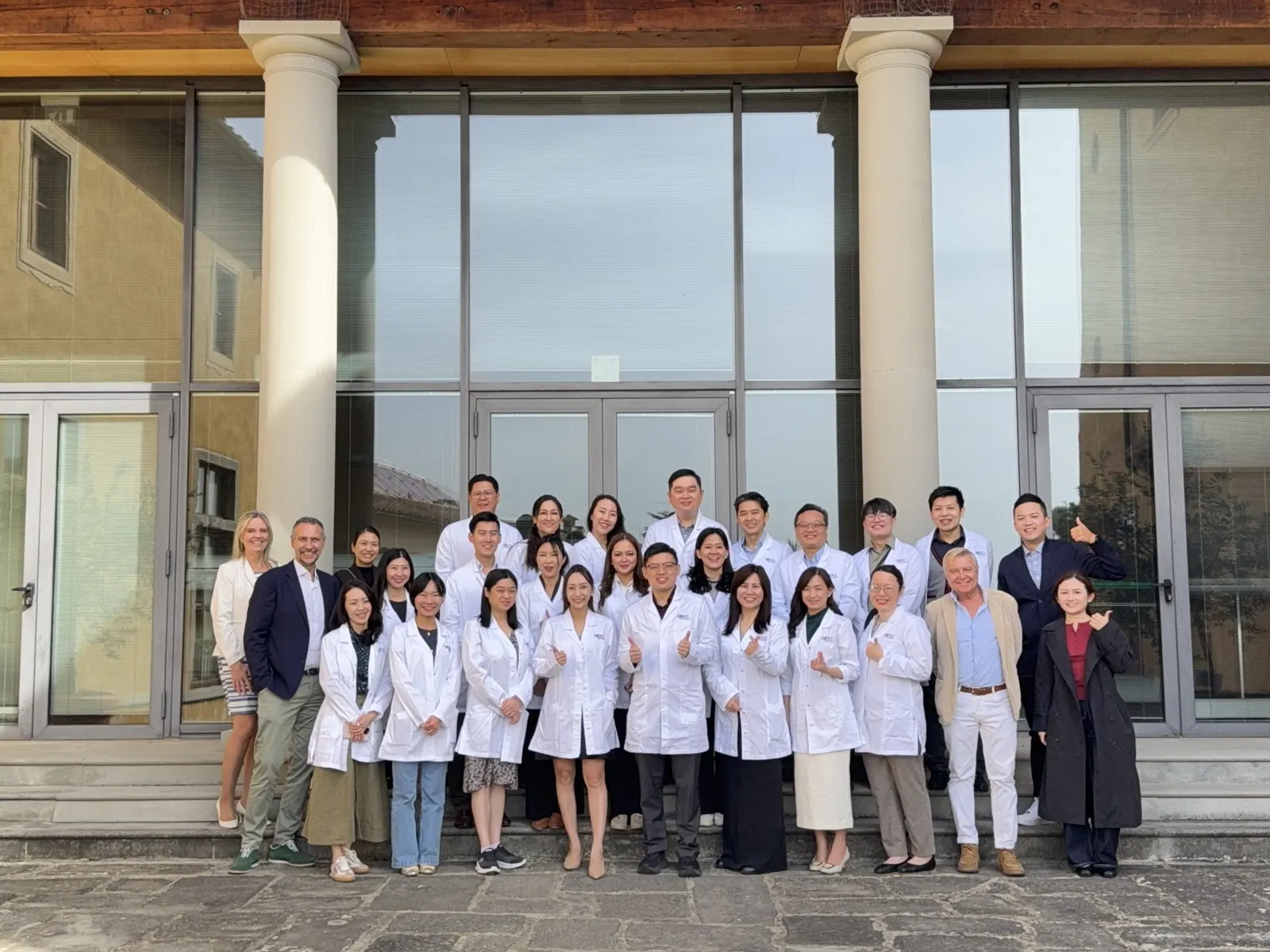 DEKA Academy, Florence 2026
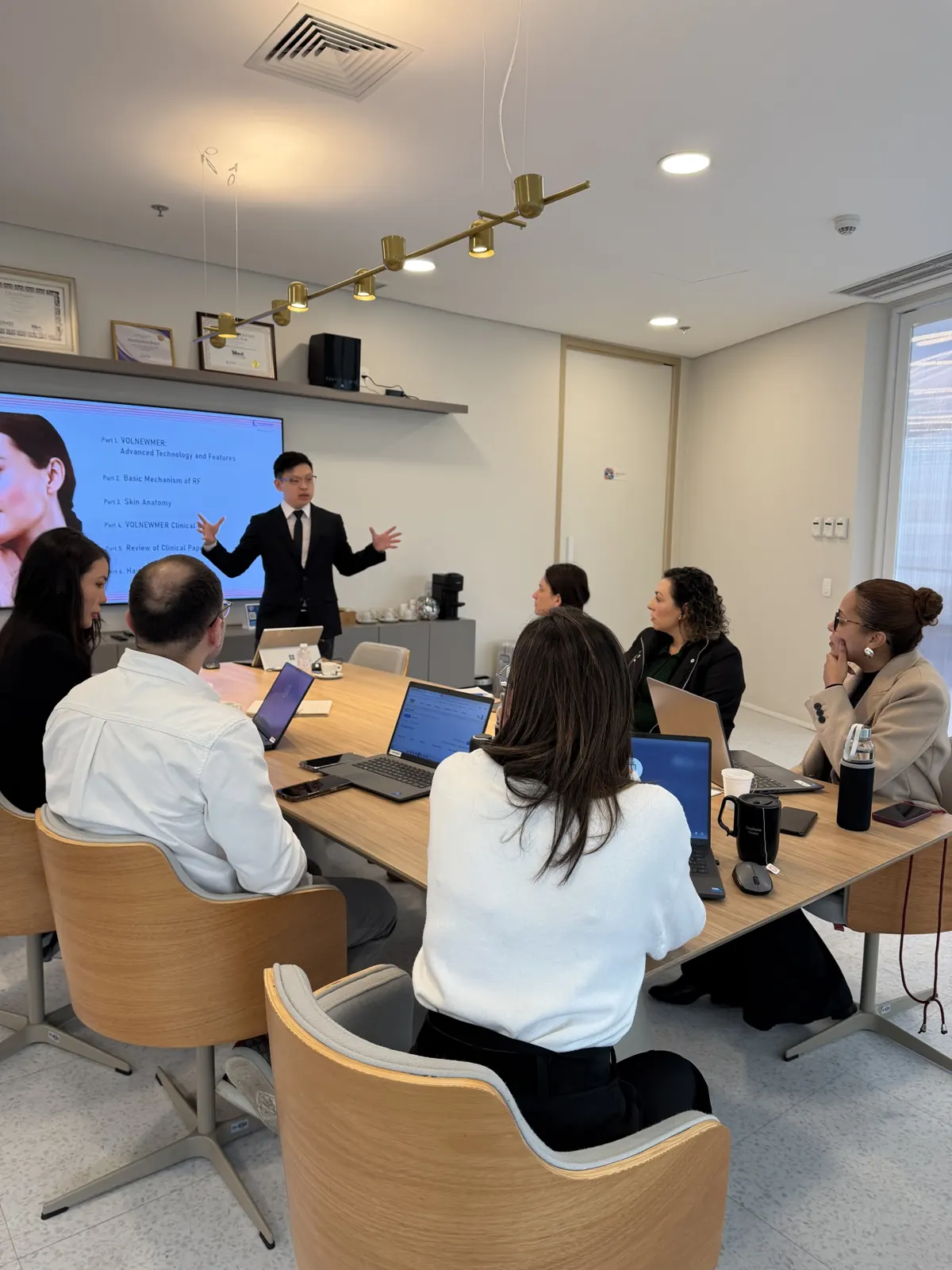 CLASSYS Academy, São Paulo 2026
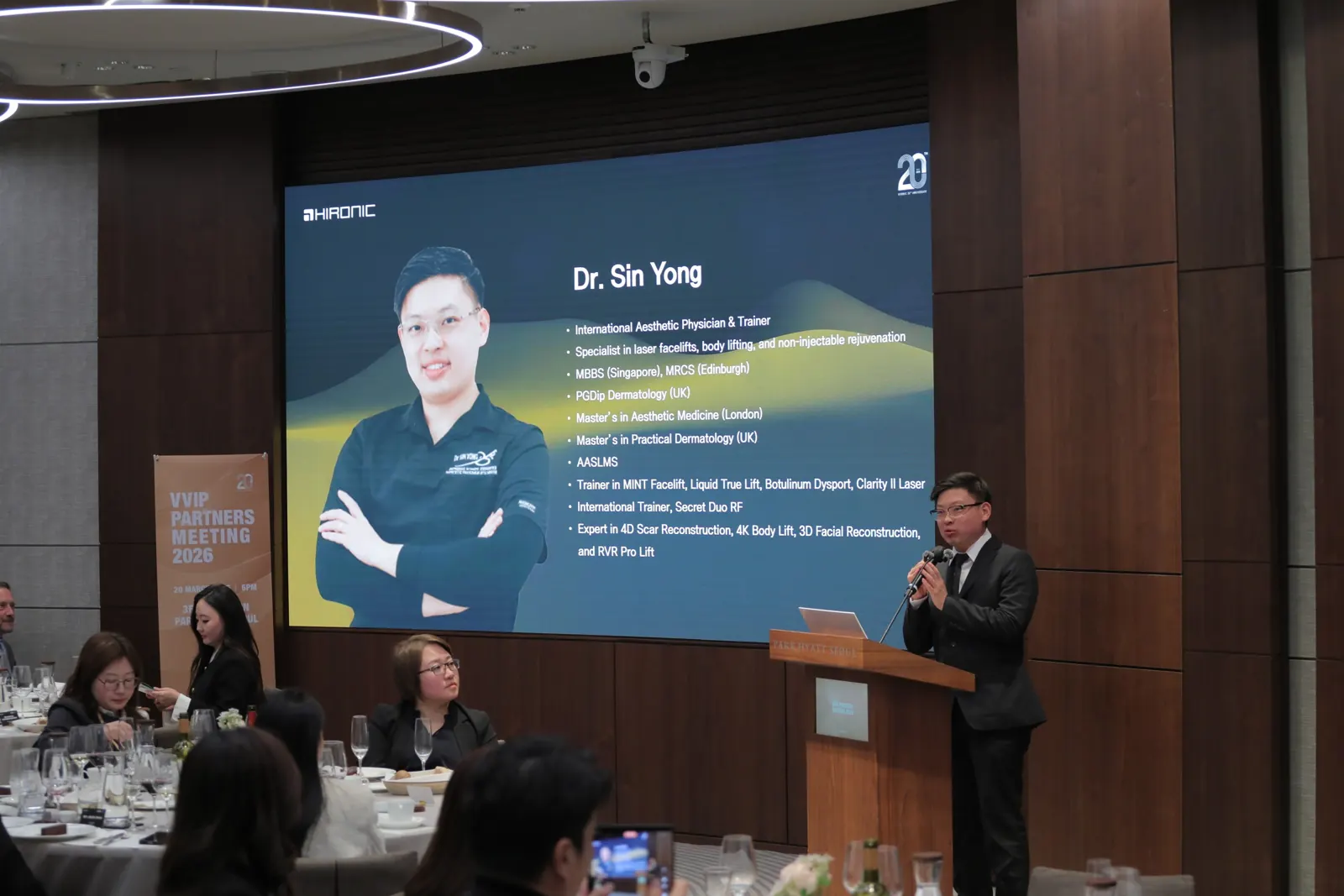 HIRONIC VVIP Partners Meeting, Seoul 2026
 CLASSYS APAC Symposium, Bangkok 2026
His conferences and KOL certificates →More about Dr Sin Yong →
Why
Why hair sheds after pregnancy
Each hair cycles through growing (anagen), transition and resting (telogen) phases. High hormone levels in pregnancy keep more hairs growing; after birth they move into the resting phase together and fall out a few months later. This is telogen effluvium. Researchers have questioned how often it is purely "postpartum" rather than linked to other stresses, which is a reason to check iron and thyroid rather than assume.
Timeline
What is normal, and what is not
| Usual | See a doctor | |
|---|---|---|
| Start | Two to four months after birth | Within weeks of birth with other symptoms |
| Pattern | Diffuse shedding; thinner temples | Patches, a widening parting, scalp redness or scaling |
| Duration | Settles by six to twelve months | Still shedding after a year |
| Other symptoms | Tiredness from a new baby | Palpitations, weight change, feeling cold, heavy periods |
Checks
Blood tests worth considering
- Ferritin (iron stores): often low after pregnancy and blood loss at delivery.
- Thyroid function: postpartum thyroiditis can cause shedding and tiredness.
- Vitamin D and a full blood count: as advised by the doctor.
What helps
What helps postpartum hair loss
- Time: most shedding stops on its own.
- A balanced diet with enough protein and iron; continue prenatal vitamins if your doctor advises.
- Gentle care: avoid tight ponytails, harsh treatments and heat while hair is shedding.
- Treat what the tests find, such as iron deficiency or a thyroid problem.
- Some medicines used for hair loss are not suitable while breastfeeding; discuss options with a doctor.
When it persists
When postpartum shedding does not stop
If hair has not recovered after a year, or the parting is widening, female pattern hair loss may have been unmasked by the shedding. Dr Sin Yong assesses the cause and pattern and discusses options such as female hair loss medical treatment, H2LT laser and Regenera Activa, taking breastfeeding into account. See also female hair loss and hair loss treatment in Singapore. Medical treatments are priced at consultation.
Read next
Related guides
Common questions
Your questions,
answered
When does postpartum hair loss start and stop?
It usually starts two to four months after birth and settles by six to twelve months. Regrowth often shows as short hairs along the hairline.
Does postpartum hair loss need treatment?
Usually not; it settles on its own. Blood tests for iron and thyroid are worth considering, and treatment is considered if shedding persists beyond a year or the pattern suggests another cause.
Can breastfeeding cause hair loss?
Breastfeeding itself is not the main cause; the hormonal shift after birth is. Some hair loss medicines are not suitable while breastfeeding, so discuss options with a doctor.
What vitamins help postpartum hair loss?
Correcting a proven deficiency, such as iron or vitamin D, helps. Taking extra vitamins without a deficiency has little evidence of benefit.
Will my hair grow back after postpartum hair loss?
In most women it does, over months. If it does not, pattern hair loss or another cause may be present and is worth assessing.
When should I see a doctor for postpartum hair loss?
If shedding lasts beyond a year, comes in patches, the parting is widening, the scalp is inflamed, or you have symptoms such as palpitations, weight change or heavy periods.