Guide · 3D Facial Reconstruction
3D Facial Reconstruction treating the face in three depths, not one
3D Facial Reconstruction is Dr Sin Yong's layered, non-surgical protocol for facial ageing. Here is what each depth does, who it suits, what recovery looks like, and where the evidence is still thin.
Quick answer
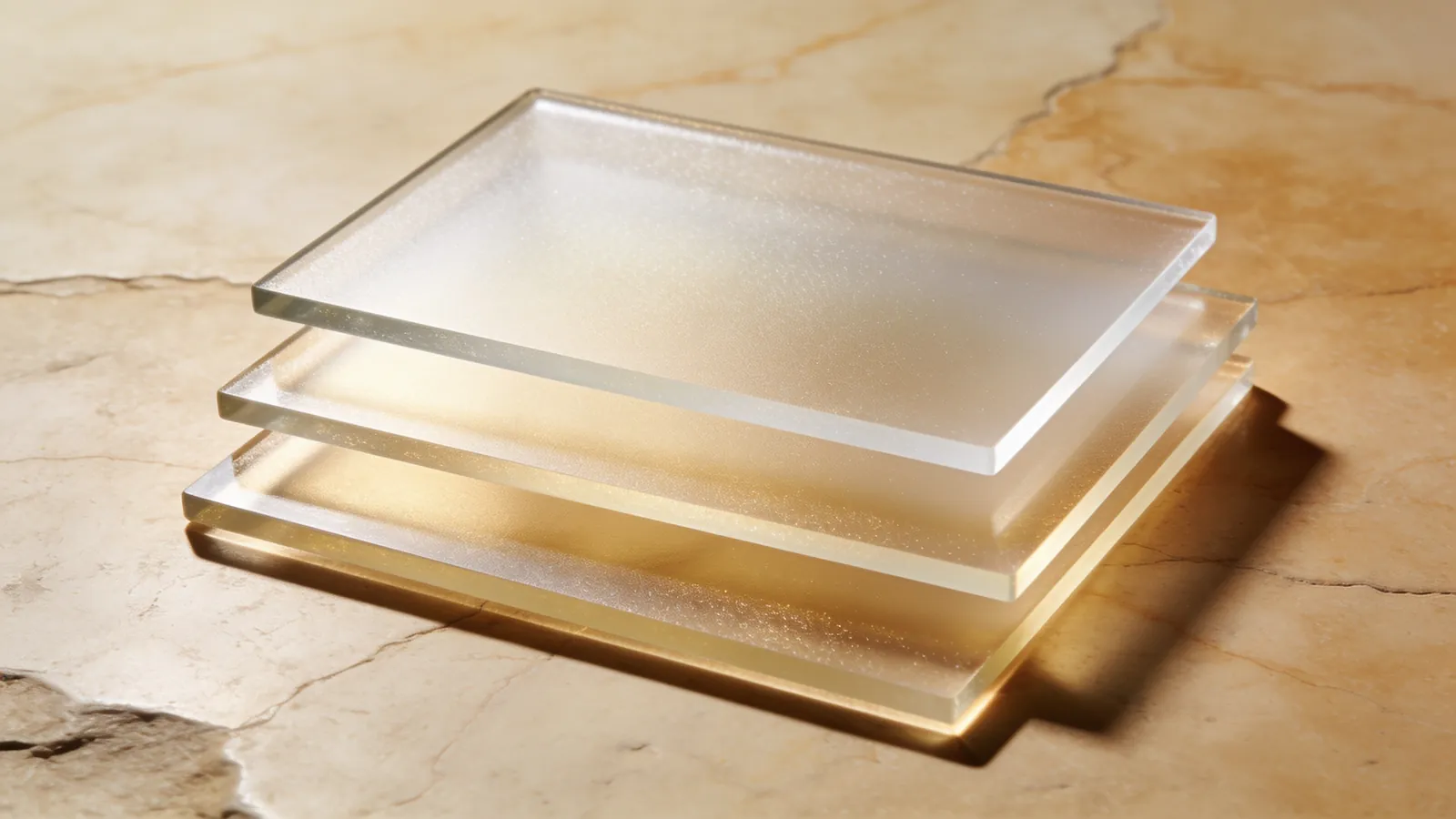
- 3D Facial Reconstruction is Dr Sin Yong's non-surgical protocol that treats the ageing face in three layers in a planned order: a deep structural lift at the SMAS with focused ultrasound (HIFU), volumetric radiofrequency (RF) remodelling of the mid-layer, and tightening and refining of the skin surface.
- The idea is that the face does not age in one layer. Support tissue loosens, fat compartments shift and thin, and skin loses collagen, so treating only the surface, or only one depth, often leaves part of the problem untouched.
- Each step is an established type of energy treatment, and studies support focused ultrasound, RF and RF microneedling individually and in some combinations. No published trial has tested this exact protocol, so results are gradual, modest and vary between people. It does not replace a surgical facelift for heavy, folded skin.
- It is a medical treatment planned and performed by Dr Sin Yong at IN Eternity Clinic, 9 Scotts Road, Pacific Plaza (beside Orchard MRT), and is priced at consultation after facial mapping.
The idea
Why a three-depth approach
The face ages from the inside out. A widely cited review describes changes in every layer at once: the facial skeleton remodels, fat pads thin or slide, muscles change tone, and the skin thins and loses elasticity. Cadaver studies have also shown that facial fat sits in separate compartments that age at different rates, which is part of why the face rarely sags evenly.
Most single energy treatments work mainly at one depth. Focused ultrasound places heat deep, RF warms a broader band of the dermis and fibrous tissue, and surface treatments act on texture and fine lines. 3D Facial Reconstruction plans all three depths together, so each layer is treated with the energy that suits it, in an order that makes sense.
Dr Sin Yong calls the protocol Definitive Dynamic Depth. "3D facelift" and "4D HIFU" are also used elsewhere as marketing names for multi-depth ultrasound alone; this protocol is different because it uses more than one energy and treats layers above and below the ultrasound.
The three depths
What each depth treats
The table describes the energy-based version of the protocol. Dr Sin Yong's own page notes that the tool at each depth is chosen after facial mapping, so some people have threads or a different lifting energy at Depth 1, or an injectable for hollows alongside the mid-layer step.
| Depth 1: Structure | Depth 2: Mid-layer | Depth 3: Surface | |
|---|---|---|---|
| Target | SMAS, the fibrous support layer under the fat | Deep dermis and fibrous septa that tether skin to deeper tissue | Epidermis and upper dermis |
| Main energy | Focused ultrasound (HIFU), typically at about 4.5 mm and 3.0 mm | Volumetric RF heating, alone or combined with superficial focused ultrasound | Surface tightening, such as RF microneedling or resurfacing |
| What it aims to do | Lift and firm the deep support layer | Remodel and firm the middle layer; reduce heavy or puffy fullness | Improve texture, fine lines, pores and firmness |
| What it cannot do | Remove folded excess skin | Add volume where bone or fat has been lost | Lift descended tissue on its own |
| Alternatives at this depth | VF Lift, Time Freeze Laser LCLR or threads, chosen per face | Injectables for true hollows (medical, at IN Eternity) | Fractional laser or microplasma, depending on skin |
Depth 1
Depth 1: the structural SMAS lift with HIFU
High-intensity focused ultrasound converges energy at a set depth below the skin, creating tiny points of heat without breaking the surface. At about 4.5 mm on the face this reaches the SMAS, the same support layer a surgeon tightens in a facelift. The heated collagen contracts, and new collagen forms over the following weeks and months.
In a rater-blinded study of 35 people, a single full-face and neck ultrasound treatment produced a measurable brow lift of just under 2 mm at 90 days, and most people responded. A safety study of 49 Chinese patients found mainly temporary redness, swelling and some bruising, with two cases of temporary darkening, though pain was often rated as severe without numbing. That is why settings, numbing and line spacing matter.
Dr Sin Yong presented this structural layer at AMWC Asia–TDAC 2026 in Taipei in May 2026, using the HIRONIC Doublo 2.0 platform as the lifting foundation. The manufacturer describes the platform as combining focused ultrasound, RF and microneedling in one system, which allows the three depths to be treated without switching devices.
Depth 2
Depth 2: volumetric RF remodelling of the mid-layer
Radiofrequency heats tissue through electrical resistance. Instead of small focal points, it warms a broader volume of the deep dermis and the fibrous strands that hold skin to the layers below. That bulk heating tightens existing collagen on the day and starts a slower remodelling process. On the Doublo 2.0, this layer is treated with a handpiece that pairs bipolar RF with shallower focused ultrasound.
"Volumetric" here describes the heating, not adding volume. Mid-layer RF can firm loose, heavy tissue and soften pseudovolume, the puffy fullness that can sit over a weakening support layer. It cannot replace volume lost from bone or fat. Where there are true hollows at the temples or cheeks, Dr Sin Yong may discuss an injectable at IN Eternity Clinic as a separate, medical step.
A 2025 randomised split-face study of 26 people found that adding microneedle RF to a full-face focused ultrasound treatment on the same day gave better tightening, wrinkle and texture scores at three months than ultrasound alone, with only mild, temporary side effects. It was a small study on a different protocol, but it supports the principle of combining depths.
Depth 3
Depth 3: surface tightening and skin quality
The last depth is the one you see and touch: texture, fine lines, pores and how firm the skin feels. It is usually treated with RF microneedling, where fine needles deliver RF heat a millimetre or two into the skin, or with a resurfacing laser chosen to suit the skin type.
In Singapore, skin of colour and year-round UV make pigment safety central at this depth. A review of 35 studies of RF and RF microneedling in Fitzpatrick skin types III to VI found a low risk of scarring or lasting pigment change, mostly temporary darkening, while noting that many studies were of limited quality. Ablative lasers carry a higher pigment risk in Asian skin, so the surface step is usually set conservatively.
Who it suits
Who it suits, and who should wait
- Suits: adults with ageing in more than one layer at once, such as early jowls, a softening jawline, mid-cheek flattening and dull, crepey skin.
- Suits: uneven ageing between the two sides of the face, where each side needs different settings.
- Suits: people who want a planned, non-surgical course and accept that change is gradual.
- Wait: pregnancy or breastfeeding; active infection, cold sores or inflamed skin in the area.
- Discuss first: pacemaker or implanted electronic device, metal implants near the face, bleeding problems or blood thinners, keloid tendency, recent fillers or threads.
- See a doctor promptly, not an aesthetic clinic, for sudden or unexplained facial asymmetry or weakness.
- Better suited to surgery: heavy, folded excess skin or skeletal asymmetry of the jaw or chin, which energy devices cannot correct.
What to expect
Consultation, sessions and downtime
It starts with facial mapping at IN Eternity Clinic: Dr Sin Yong compares the two sides at rest and in movement, separates sagging from volume loss and skin quality, and writes a plan naming the treatment at each depth. Deep lifting usually comes first, then the mid-layer and surface. Some people have all three depths in one visit; others have them spaced out.
Expect warmth, redness and some swelling or tenderness along the jawline for a few days, and occasional small bruises. Surface steps that use needles or lasers add a day or more of redness or light flaking. Most people return to work within a day or two. Firmness may be noticed early, but collagen remodelling builds over the following weeks to months, and no duration can be promised; ageing, sun and weight change all continue.
The number of sessions and the cost depend on the plan and are set at consultation. Sun protection and gentle skincare matter for the weeks after each session.
Evidence
What the research says, honestly
The building blocks are well studied. Focused ultrasound has controlled and blinded studies showing small, measurable lifting; RF and RF microneedling have reviews supporting tightening and texture improvement, including in skin of colour; and a randomised split-face study supports combining focused ultrasound with microneedle RF in one session.
The protocol as a whole has not been tested in a published trial. Clinical outcomes shared at a congress are not the same as peer-reviewed data, and the platform's materials come from the manufacturer. Expect gradual, natural-looking change rather than a surgical result, and ask how your plan will be reviewed and adjusted.
Where to go
3D Facial Reconstruction in our network
3D Facial Reconstruction is planned and performed by Dr Sin Yong at IN Eternity Clinic, 9 Scotts Road, #12-01 Pacific Plaza, beside Orchard MRT. It is priced at consultation by the clinic; WhatsApp +65 8815 3008. Dr Sin Yong is SkinRev Lab's Medical Adviser and trains the SkinRev team hands-on on the centre's machines.
SkinRev Lab, at CityLink Mall #B1-28 by City Hall MRT, offers non-invasive options that act on one depth at a time: SKINLIFT for an ultrasound lift of the jowls and jawline, and SKINTIGHT for surface tightening. They can suit early change or maintenance, but they are not a substitute for a doctor-planned, multi-depth protocol when ageing involves several layers.
Sources
References & sources
- Swift A, Liew S, Weinkle S, Garcia JK, Silberberg MB. The facial aging process from the "inside out". Aesthet Surg J. 2021;41(10):1107-1119.
- Rohrich RJ, Pessa JE. The fat compartments of the face: anatomy and clinical implications for cosmetic surgery. Plast Reconstr Surg. 2007;119(7):2219-2227.
- Alam M, White LE, Martin N, et al. Ultrasound tightening of facial and neck skin: a rater-blinded prospective cohort study. J Am Acad Dermatol. 2010;62(2):262-269.
- Chan NP, Shek SY, Yu CS, et al. Safety study of transcutaneous focused ultrasound for non-invasive skin tightening in Asians. Lasers Surg Med. 2011;43(5):366-375.
- Wang R, Peng G, Chen Y, et al. Combined novel microfocused ultrasound and microneedle fractional radiofrequency system for multilayered facial rejuvenation: a prospective, randomized, and split-face study. J Cosmet Dermatol. 2025;24(10):e70455.
- Syder NC, Chen A, Elbuluk N. Radiofrequency and radiofrequency microneedling in skin of color: a review of usage, safety, and efficacy. Dermatol Surg. 2023;49(5):489-493.
Common questions
Your questions,
answered
What is 3D Facial Reconstruction?
It is Dr Sin Yong's non-surgical protocol that treats the face in three layers: a deep structural lift at the SMAS with focused ultrasound, RF remodelling of the mid-layer, and surface tightening. Each depth is planned after facial mapping, and the steps are done in a set order.
Is 3D Facial Reconstruction the same as a 3D or 4D HIFU facelift?
No. "3D" and "4D HIFU" usually describe focused ultrasound delivered at several depths. 3D Facial Reconstruction uses more than one energy, adding RF in the mid-layer and a surface step, and may include other tools such as threads chosen for each face.
Does 3D Facial Reconstruction hurt?
Focused ultrasound can feel like deep, brief prickles and is stronger over bone; RF feels like building warmth. Numbing and adjusted settings are used, and discomfort is checked during the session.
How long is the downtime?
Usually short. Expect redness, warmth and some swelling or tenderness along the jawline for a few days, with occasional bruises. Surface steps with needles or lasers can add a day or more of redness or flaking. Most people go back to work within a day or two.
When will I see results from 3D Facial Reconstruction?
Some firmness may be felt early, but most change comes from collagen remodelling over the following weeks to months. Results vary, and no duration can be promised.
Is it better than a surgical facelift?
It is different. It suits early to moderate ageing in several layers, with little time off. It cannot remove heavy, folded excess skin, so people with marked sagging are better advised to see a plastic surgeon.
Can 3D Facial Reconstruction fix facial asymmetry?
It can help soft-tissue differences, such as one side sagging more, by setting each side differently. It cannot change skeletal asymmetry of the jaw, chin or cheekbones, and any sudden asymmetry or weakness needs urgent medical assessment first.
How much does 3D Facial Reconstruction cost in Singapore?
It depends on which depths and areas are treated and how many sessions are planned. At IN Eternity Clinic it is priced at consultation, after Dr Sin Yong has mapped the face and written a plan.